
Loading...
Serving Soledad, CA and surrounding areas. (831) 315-4388
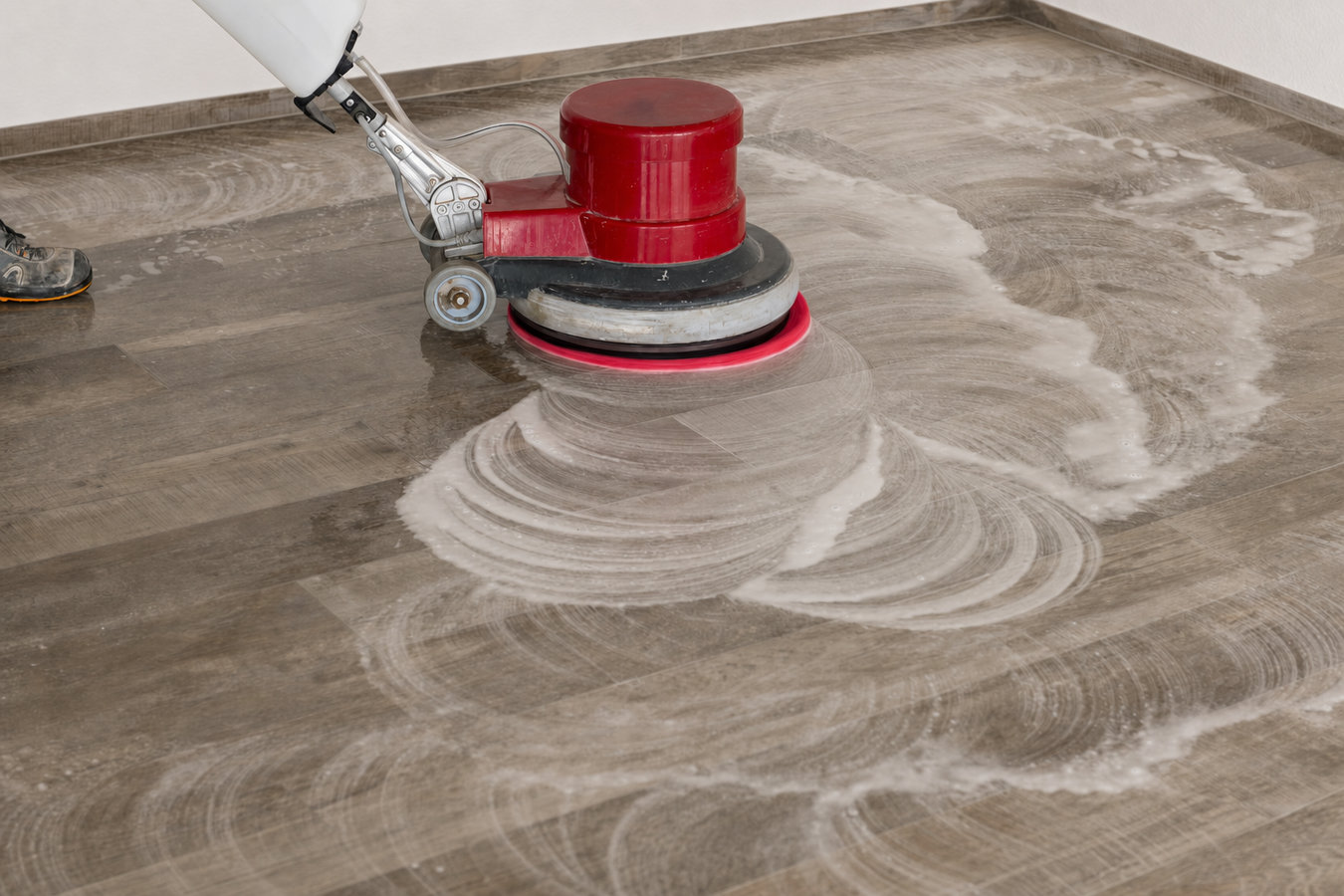
Your concrete floor is cracked, heaving, or failing at its base. Patching will not fix it. We break it out, haul it away, and tell you exactly what we find underneath before we leave.
Concrete floor stripping and removal in Soledad is the process of breaking up an existing concrete slab and hauling it away so a new floor can be installed. It is different from resurfacing, which adds a thin layer on top. A standard garage or single-room floor typically takes one to two days to break up and remove, with the subbase ready for assessment the same day the crew finishes.
This is the right call when the problem is not the surface - it is the slab itself. In Soledad and throughout the Salinas Valley, the clay-heavy soils expand and contract with the seasons, and that movement causes slabs to crack, heave, and separate from the subbase below. Patching a floor that is moving underneath is a short-term fix that keeps coming undone. Many older Soledad homes also have slabs that were poured directly on uncompacted soil without a moisture barrier - which means moisture migrates up from below, compounding the cracking and making surface treatments fail faster. When the surface needs a deep repair followed by a quality finish, our concrete grinding and surface preparation service handles the prep work once the old slab is cleared.
If you have patched cracks in your concrete floor more than once and they keep reappearing in the same spots, the problem is almost certainly underneath the slab. In Soledad, the clay-heavy soils shift seasonally with moisture changes, and no amount of patching fixes that. When cracks return after repair, removal and a properly prepared new slab is usually the only lasting solution.
Walk slowly across your floor and pay attention to spots that feel springy or slightly lower than the surrounding area. These are signs that the concrete has separated from the subbase beneath - a condition called delamination - and the slab is no longer structurally sound. In older Soledad homes where slabs were poured directly on unprepared soil, this is a common finding.
If you notice damp spots, white powdery deposits, or a musty smell from your concrete floor, moisture is migrating up from the soil below. Older Soledad slabs, many poured without a plastic moisture barrier, are especially prone to this. Resurfacing on top of the problem traps the moisture and makes things worse - removal and a properly sealed new slab is the right fix.
If you are adding new flooring - tile, hardwood, epoxy, or anything else - over a concrete floor that is cracked, uneven, or coated with old adhesive, the problems will telegraph right through the new surface. Stripping and removing the old floor first gives you a clean, level starting point and means your new floor will perform the way it should.
A careful crew protects your walls, door frames, and adjacent flooring from jackhammer vibration and flying debris before breaking starts. They also check for any plumbing or electrical lines embedded in or under the slab - hitting a pipe or conduit is a costly mistake that a thorough contractor avoids. Dust control runs throughout the job: plastic sheeting seals off doorways to the rest of your home, and industrial vacuums capture dust at the source. The broken concrete is hauled to a recycling facility rather than a landfill, keeping your project compliant with California's construction debris rules.
Once the slab is out, we walk you through exactly what the subbase looks like - whether the soil is level, whether there are soft spots, and what needs to happen before a new floor can go in. If you are installing new epoxy floor coatings after the slab is replaced, the subbase assessment we provide gives the next crew the information they need to start right. For the surface grinding and bonding prep that follows a new pour, concrete grinding and surface preparation is the logical next step. California also has specific disposal requirements for concrete rubble - the CalRecycle concrete recycling program provides information on responsible disposal if you want to verify how your contractor handles debris.
Complete break-up of an existing concrete slab, including loading the rubble and hauling it off-site. Suited for garages, utility rooms, basement floors, or any space where the entire slab needs to come out.
Removal of a specific section of a slab - a cracked or heaved area, a damaged corner, or a section that needs to be cut out for plumbing or electrical work. Minimizes disruption when only part of the floor has failed.
Mechanical removal of an existing coating, adhesive, or thin overlay from a slab that is otherwise sound. Used when a floor needs to be cleaned down to bare concrete before a new finish is applied.
A walkthrough of the exposed subbase to identify soft spots, soil movement, and moisture concerns before a new slab is poured. Provided on every removal job so the next phase starts with full information.
Soledad is a working agricultural town, and a significant portion of its housing was built in the mid-20th century. Many of those homes have older concrete slabs poured without the moisture barriers and reinforcement that are standard today - which can actually make removal faster, but also means the subbase often needs more prep work before a new floor goes in. The clay-heavy soils throughout the Salinas Valley are another factor: they expand when wet and shrink when dry, which is one of the most common reasons concrete floors crack and heave over time in this region. When a contractor removes your old slab, they should assess whether the soil underneath has shifted - if it has, the subbase will need stabilization before a new floor is poured, or the same cracking problem will return. Scheduling removal and replacement in spring or fall - when temperatures are milder - also gives the new concrete the best chance to cure properly, since extreme summer heat causes freshly exposed subbase soil to dry out quickly.
We serve homeowners across Monterey County, including Gonzales and Greenfield, and we are familiar with the soil conditions and housing stock throughout the valley. Verify any contractor's license before signing anything at cslb.ca.gov - in a smaller city like Soledad, this step matters more, not less.
We will ask a few basic questions about the space - the size of the area, what the floor is used for, and whether you know how thick the slab is. We schedule an in-person visit to take a look before giving you a firm price, and that visit is free and takes about 20 to 30 minutes.
We walk the floor, look for cracks and soft spots, and check access - how easy it is to get equipment in and debris out. We also ask about any plumbing or electrical lines that might run under the slab. After the visit you receive a written estimate that breaks out labor, equipment, and disposal costs separately.
The crew arrives with jackhammers and a dumpster or truck. Breaking concrete is loud - expect construction-site noise for most of the day. We work in sections, seal off the rest of your home with plastic sheeting, and run dust-control equipment throughout. Most garage jobs are done in one day.
Once the concrete is out, we sweep and vacuum the work area and remove the dust barriers. We walk you through what the subbase looks like - whether the soil is level, whether there are soft spots - and explain what needs to happen before a new floor can go in. You should feel comfortable asking questions at this point.
We will give you a straight answer at the free estimate visit - not a sales pitch. Call us or submit the form and we will get back to you within 1 business day.
(831) 315-4388We seal off the work area with heavy plastic sheeting and run industrial vacuums at the source during the entire job. Soledad summers are dry and dusty enough without a concrete demolition adding to it. Your family can stay home during the work without the whole house turning into a construction zone.
When the old concrete comes out, what is underneath can be a surprise - especially in older Soledad homes where slabs were poured directly on valley soil. We walk you through exactly what we find before we leave, so you know what your next step is and are not caught off guard by a second conversation with a different contractor.
Hauling concrete in Monterey County has real disposal costs. We include those in our written estimate upfront rather than adding them at the end. The number you agree to at the start is the number you pay when the job is done. No line items that appear on the final bill without warning.
We are licensed through the California Contractors State License Board, and you can verify that yourself in about 60 seconds at cslb.ca.gov before you sign anything. In a smaller city like Soledad, where contractor options are more limited than in Salinas or Monterey, checking a license is the simplest protection available to you.
Concrete removal done carefully sets up every phase that follows - the new slab, the surface prep, and the finished floor. The OSHA silica standard for construction sets the baseline for dust safety during concrete demolition work, and following it is a basic sign of a professional crew.
Once your old slab is out and the new one is cured, epoxy floor coatings deliver a durable, attractive finish suited to garages, utility rooms, and commercial spaces.
Learn MoreAfter a new slab is poured, surface grinding opens up the concrete and creates the bond profile needed for coatings and overlays to hold long-term.
Learn MoreCrews are available now - before summer heat makes scheduling tighter across the Salinas Valley. Call us or request a free written estimate online.