Loading...
Serving Soledad, CA and surrounding areas. (831) 315-4388
Your garage floor dips, your kitchen slab has shifted, or your concrete has been flaking apart for years. Self-leveling concrete corrects those problems without replacing the whole floor.
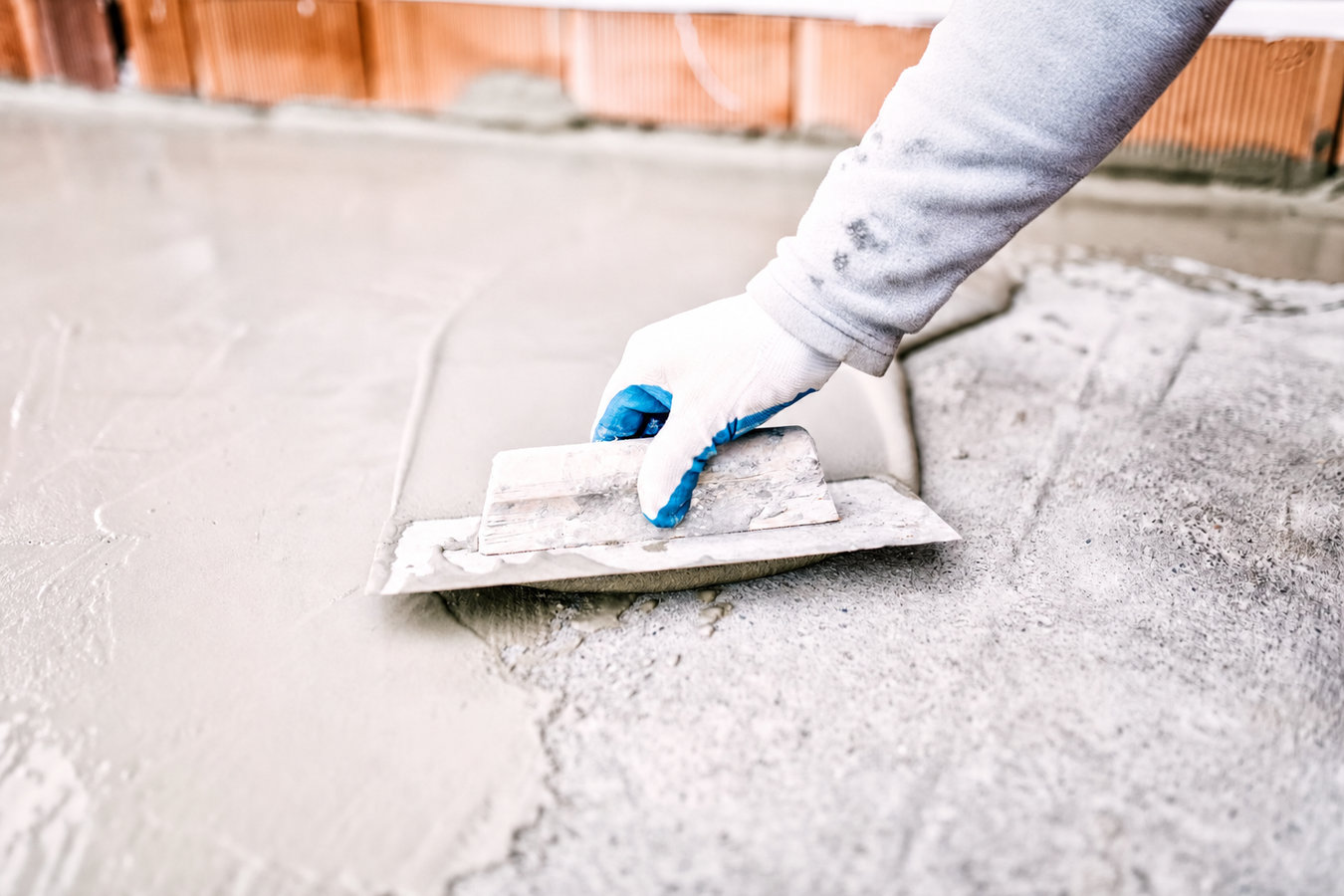
Self-leveling concrete in Soledad is a specially mixed material that spreads itself flat when poured onto a floor - it flows into low spots and uneven areas on its own, creating a smooth, level surface without a lot of manual spreading. Most single-room or garage projects can be completed in one to two days, with foot traffic possible after 24 hours and furniture back on the floor within 48 to 72 hours.
It is the right call when your floor has settled unevenly, developed dips, or has a surface that has broken down to the point where it feels rough and gritty underfoot. Many Soledad homes built in the mid-20th century have slabs that have had decades to shift and develop low spots - the clay-heavy soils throughout Monterey County expand when wet and shrink when dry, which puts constant stress on concrete over time. Before any overlay goes down, the contractor will check for moisture coming up through the slab from below, since moisture is the biggest reason overlays fail early. When the surface condition goes beyond what leveling alone can fix, our concrete resurfacing and overlays service handles the final finish coat over a leveled base.
If water pools in one spot on your garage floor, or a marble would roll on its own across your kitchen, the slab has settled unevenly. This is one of the clearest signs that a self-leveling pour could help. It is a common issue in Soledad homes built on the valley's clay-heavy soils, which shift with the seasons as moisture levels change.
Small hairline cracks are normal in older concrete, but if you have patched the same crack more than once and it keeps reopening, the underlying slab is still moving. In the Salinas Valley, this kind of recurring cracking is often tied to the soil expanding and contracting with seasonal moisture changes. An overlay with the right bonding preparation can provide a fresh surface while accommodating that ongoing movement.
If your concrete floor has started to flake apart on the surface - sometimes called spalling - or feels gritty and rough even after sweeping, the top layer has broken down. This is especially common in Soledad garages and utility rooms where agricultural dust and foot traffic have worn the surface over many years. An overlay restores a clean, smooth surface without replacing the whole slab.
If an interior door that used to swing freely has started to scrape the floor, the slab beneath it may have heaved or settled enough to affect the door frame. This is a sign worth taking seriously. A contractor can assess whether a self-leveling pour can correct the issue or whether a deeper structural repair is needed before any overlay work makes sense.
A lot of what we do before any material is poured is invisible to the homeowner, and that is intentional. We grind the existing surface so the new material bonds properly, test for moisture coming up through the slab, fill cracks and soft spots, and check how far out of level the floor actually is. That assessment shapes everything - how much material is needed, what thickness is appropriate, and whether a decorative finish coat is realistic over this particular base. Cutting any of those steps short is what causes overlays to bubble, peel, or crack within the first season.
For outdoor surfaces that have resurfaced or need slip-resistant finishes, we pair our leveling work with our pool deck coatings and resurfacing service. Where the surface wear goes deeper than the overlay can fix on its own, we assess whether concrete resurfacing is the better starting point. The Portland Cement Association provides plain-language resources on surface preparation and concrete overlay best practices if you want to read further before deciding.
A base-layer pour that flows into low spots and sets flat. Best for floors with visible dips, uneven settling, or slopes that affect everyday use in garages, kitchens, or utility rooms.
A self-leveling base followed by a colored, stained, or polished finish coat. Suited for interior spaces where the floor also needs to look clean and updated after the leveling work is done.
Applied directly over firmly bonded existing flooring when tearing it out is not practical. Only recommended when the underlying material is confirmed solid with no hollow or lifting sections.
Addressed before any overlay goes down. Includes filling cracks, treating soft spots, and testing for moisture vapor coming up through the slab - the step most often skipped by contractors who work too fast.
Soledad's hot, dry summers create tight scheduling windows for this kind of work. Extreme heat causes self-leveling materials to set faster than intended, which can lead to uneven results if the contractor is not experienced with hot-weather pours. The best time to schedule is in the spring or fall, when temperatures are milder and the material has time to flow and settle properly before it begins to firm up. The fine agricultural dust and silica-rich soil common throughout this part of the Salinas Valley also gets tracked indoors and acts like sandpaper on floor surfaces over time - which is why we recommend a thicker overlay application and a high-quality sealer rated for high-abrasion environments when finishing a floor in Soledad.
Much of the housing stock here was built in the mid-20th century, and many of those slabs have had decades to shift and develop low spots. The clay-heavy soils throughout Monterey County expand when wet and shrink when dry, and a contractor who knows local conditions will account for that by using flexible bonding agents and recommending control joints where needed. We serve homeowners across the area including King City and Salinas, where the same soil and climate conditions apply. The International Concrete Repair Institute publishes technical guidelines on surface preparation and overlay bonding for professionals who want to understand industry standards.
Describe what you are seeing - a dip in the garage floor, a recurring crack, a surface that has been wearing down for years - and we schedule a time to come look at it in person. We aim to reply within one business day. Most estimate visits take 30 to 60 minutes.
Before any pour, we check for moisture coming up from below the slab, measure how far out of level the floor is, and identify cracks or soft spots that need to be addressed first. Moisture coming up through the slab is the most common reason overlays fail - we check for it every time.
You clear the room completely - everything off the floor. We handle the grinding, crack filling, and prep work before the material is mixed and poured. The actual pour often takes just a few hours for a single room, though the prep work may take as long.
The floor needs at least 24 hours before light foot traffic and 48 to 72 hours before furniture goes back. We apply a protective sealer at the end of the job and walk you through the finished surface before leaving. We cover what maintenance looks like and when the sealer may need refreshing.
Free estimate, no sales pressure. We look at your floor, tell you what we see, and give you a written quote before any work begins.
(831) 315-4388Skipping the moisture check is the single most common reason floor overlays fail within months of installation. We test every floor before any material goes down. If moisture is coming up through the slab, we address it before the overlay - not after.
The clay-heavy soils in the Salinas Valley cause slabs to move with the seasons in ways that contractors from outside the area often underestimate. We use bonding agents and joint placement suited to local soil conditions, which means your floor has a much better chance of staying intact long-term.
If your floor has a structural issue that a self-leveling pour cannot solve, we tell you that during the assessment rather than collecting a deposit and discovering it mid-job. Homeowners can verify our California contractor license status at any time through the California Contractors State License Board at cslb.ca.gov.
Hot summer afternoons are the wrong time to pour self-leveling concrete. The material sets too fast and the results show it. We time our pours for spring and fall windows, or early morning in summer, so the material can flow and cure the way it is designed to. This detail matters more than most homeowners realize until they have seen a rushed hot-weather pour fail.
These details are what separate a floor that holds up for 10 to 20 years from one that is being repaired again inside of two. We bring the same care to every project in Soledad and across the valley.
Durable, slip-resistant coatings for outdoor pool surrounds and deck surfaces that need to handle water, heat, and foot traffic.
Learn MoreA fresh thin-coat overlay that refreshes worn driveways, patios, and walkways without tearing out the existing slab.
Learn MoreSpring and fall scheduling windows fill up - reach out now and lock in your date before the best conditions for this kind of work are gone.